
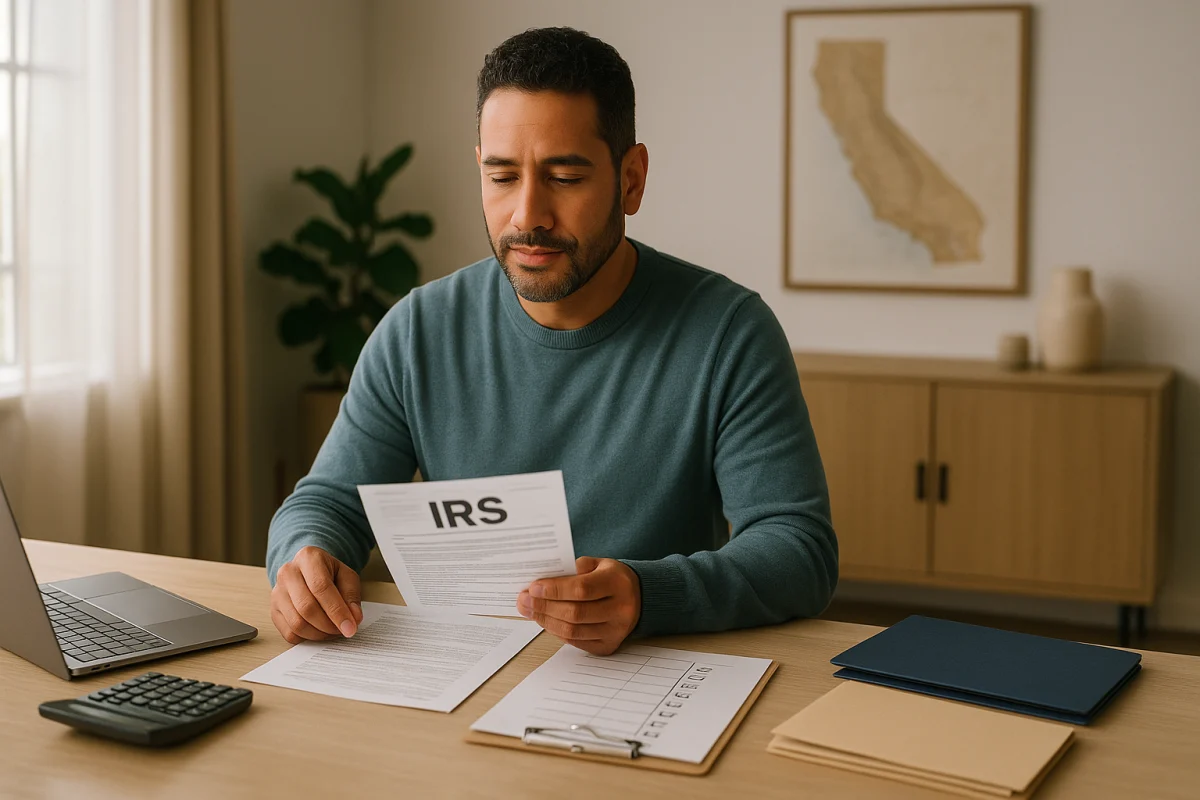
Finding out that you have unfiled tax returns can feel overwhelming, especially when the issue has been building for several years. For Orange County taxpayers, the question is usually simple: how many years do I need to file before the IRS will consider my account resolved?
The answer depends on your individual tax history, income records, and whether the IRS has already taken action. In many cases, the IRS asks taxpayers to file the most recent six years of overdue federal tax returns. However, that is a general administrative practice, not a universal rule. Some situations require more returns, while other older years may need to be addressed differently.
Moving forward with accurate information is usually better than waiting. Unfiled returns can lead to substitute returns, growing balances, collection notices, wage garnishment concerns, bank levies, and difficulties obtaining loans or handling a home sale. This article is for educational purposes only and is not legal or tax advice. A qualified Tax Attorney or IRS Enrolled Agent can review the facts of your situation before you make decisions.
Why the Number of Missing Tax Returns Matters
The IRS does not typically treat every unfiled year the same way. Recent tax years are often the agency’s main priority because they affect current collection activity, refunds, credits, and ongoing compliance. If you are missing several years, filing the right returns in the right order can help create a clearer path toward resolving the account.
For many taxpayers, the IRS commonly requests the last six years of delinquent returns to bring a filing history into compliance. For example, if you have not filed since 2018, the IRS may ask for returns from 2018 through the most recently due year. This six-year guideline is frequently used, but it should not be treated as a promise that older years will disappear or no longer matter.
Older unfiled years may still be relevant if the IRS has prepared a return for you, identified potentially significant income, alleged fraud, or opened an examination. A taxpayer with a straightforward wage-income history may face a very different process than a business owner with 1099 income, payroll issues, cryptocurrency transactions, rental property income, or prior IRS enforcement activity.
The IRS Six-Year Filing Guideline
The IRS often uses a six-year compliance standard when working with taxpayers who have not filed returns. In practical terms, this means the agency may expect the six most recent required returns before considering a taxpayer current enough for many resolution discussions.
This approach gives the IRS a recent filing record while allowing taxpayers to focus on gathering available records and addressing the years most likely to affect present collection efforts. It can also be important if you need to request an installment agreement, seek currently not collectible status, or explore whether an offer in compromise may be appropriate.
Still, the six-year guideline is not the same as a statute of limitations. The IRS can have broad authority when no return has been filed. Generally, the assessment statute does not begin running for a tax year until a valid return is filed. That means an old missing return may remain open much longer than people expect.
When You May Need to File More Than Six Years
Some Orange County taxpayers need to file more than six years of returns. This can happen when the IRS specifically requests additional years, when substitute for return assessments exist, or when older records affect an audit, collection matter, or tax debt calculation.
You may also need to look further back if you are trying to correct IRS-prepared returns. When the IRS does not receive a tax return, it may create a Substitute for Return, often called an SFR. That return is based on income information reported to the IRS, such as W-2s, 1099s, brokerage forms, or other third-party records.
An SFR generally does not include all deductions, expenses, credits, filing status options, or exemptions that may have been available to you. As a result, the tax assessed through an SFR can be higher than what you would owe on an accurate, properly prepared return. Filing an original return may sometimes replace the SFR assessment, but the timing and facts matter.
When Older Years May Be Less Urgent
In certain cases, a tax professional may help determine that the immediate filing focus should be on the years the IRS is actively requesting. That does not mean older years are automatically forgiven, closed, or irrelevant. It means the best next step may be to understand the IRS account status before spending time and money preparing every historical return at once.
If you expect a refund from an old tax year, timing is especially important. Refund claims are usually subject to strict deadlines. In many situations, a refund can be lost if a return is filed more than three years after its original due date. Even if the IRS requires you to file an old return, the right to receive a refund may no longer be available.
California Tax Returns Are a Separate Issue
Federal filing compliance is only part of the picture for California residents. The California Franchise Tax Board, or FTB, has its own filing requirements, notices, collection tools, and timeframes. If you lived or worked in Orange County, received California-source income, operated a business, or held rental property in the state, you may have both IRS and FTB filing obligations.
California can be active in pursuing unfiled returns and unpaid balances. The FTB may issue notices based on income information it receives from the IRS, employers, financial institutions, and other reporting sources. A federal return filing plan should therefore be coordinated with any California returns that may also be overdue.
It is not unusual for a taxpayer to resolve one agency only to later receive notices from the other. Reviewing both accounts early can help avoid surprises and may make it easier to build a consistent compliance plan.
What Happens If You Continue Not Filing
Ignoring missing tax returns can create more complications over time. The IRS may continue sending notices, file Substitute for Returns, assess tax and penalties, or begin collection action after an assessment is made. Depending on the circumstances, collection tools can include federal tax liens, wage garnishments, bank levies, and offsets of future refunds.
Unfiled returns can also affect everyday financial decisions. You may have trouble qualifying for a mortgage refinance, purchasing a home, obtaining certain business financing, responding to lender requests for tax transcripts, or completing a sale involving a tax lien. Self-employed taxpayers may find that missing returns make it harder to document income for loans or business opportunities.
Waiting can also make records harder to obtain. Employers close, bookkeeping systems change, banks archive statements, and memories fade. Although transcripts and third-party records can be useful, they do not always show every deduction or expense needed to prepare a complete return.
A Practical Step-by-Step Plan for Unfiled Returns
Start by identifying exactly which years are missing. Do not rely solely on memory. Your IRS account transcript, wage and income transcript, and tax return transcript can help show what the IRS has on file. A tax professional can also request records with proper authorization.
1. Confirm the Years That Need Attention
Create a simple list of tax years and note whether you filed, received IRS notices, had wages, operated a business, sold property, collected unemployment, received retirement income, or earned investment income. Do the same for California filing requirements.
Pay close attention to IRS notices. A notice may indicate that the IRS filed an SFR, assessed a balance, intends to levy, filed a lien, or is requesting specific returns. These details can affect which tax years should be prioritized.
2. Gather Income and Expense Records
Collect W-2s, 1099s, bank statements, brokerage statements, prior tax returns, business records, mortgage interest statements, childcare information, health insurance records, and receipts for deductible expenses where available. For self-employed taxpayers, organize income deposits and ordinary business expenses by year.
If records are missing, do not assume you cannot file. Wage and income transcripts may provide reported income information. Bank records, invoices, calendars, accounting software, and vendor statements may also help reconstruct a reasonable record. The goal is accurate filing supported by available documentation.
3. Prepare Returns Before Negotiating a Resolution
Many IRS collection options require filing compliance first. If returns are missing, the IRS may not consider certain payment arrangements or settlement requests until those returns have been filed. Preparing the returns gives you a more accurate picture of the actual tax balance, rather than relying on estimated or SFR assessments.
It is also important not to file returns blindly just to get them submitted. Filing status, deductions, dependents, business expenses, and credits can materially affect the result. Accuracy matters, particularly when multiple years are involved.
4. Review the Full Tax Debt
Once returns are filed or prepared, review the entire federal and state picture. This includes assessed tax, penalties, interest, existing liens, notices, payroll tax issues, and any years that may still be under review. A taxpayer may owe less than expected after replacing an SFR, or may owe more once all missing returns are completed.
From there, possible options may include paying in full, setting up an installment agreement, requesting penalty relief where appropriate, seeking a temporary hardship status, or evaluating whether an offer in compromise is worth exploring. Eligibility depends on the facts, financial information, and agency requirements. No outcome should be assumed in advance.
Common Mistakes to Avoid
One common mistake is filing only the year that triggered the latest IRS notice. If several returns are missing, the IRS may continue pursuing the other years. Another mistake is using income transcripts as if they are complete tax returns. Transcripts can be a valuable starting point, but they may not include deductions and other information that should be reviewed.
Taxpayers also sometimes transfer assets, stop using bank accounts, or ignore mailed notices because they are worried about collection. These actions can create additional problems. A more productive approach is to understand the account, identify filing requirements, and respond in an organized way.
Finally, be cautious with promises that sound too easy. Legitimate tax resolution work involves reviewing records, communicating accurately, and following agency procedures. A professional should explain the process, fees, and realistic possibilities without guaranteeing a specific reduction or settlement.
Why Local Guidance Can Help Orange County Taxpayers
Orange County taxpayers often have complex income situations, including self-employment, real estate, commissions, stock compensation, professional services income, and multiple 1099 forms. These details can make unfiled return cases more involved than a basic wage-only return.
Working with an experienced tax resolution team can help you organize the process, obtain available records, understand IRS and California notices, and determine which years require immediate action. Credentials matter. Look for professionals who can work with tax authorities, such as a Tax Attorney or IRS Enrolled Agent, and consider established firms with trust signals such as BBB Accredited status.
If you have unfiled tax returns in California, the most useful first step is usually to replace uncertainty with a clear plan. Schedule a confidential consultation with Advance Tax Relief – SOCAL to review your missing years, discuss your IRS and California account status, and identify practical next steps toward getting back into compliance.
Frequently Asked Questions
Does filing six years of overdue returns automatically resolve every older tax year?
No. The six-year practice often helps establish recent compliance, but it does not automatically close older unfiled years. Older periods can remain relevant if the IRS filed a Substitute for Return, identified substantial unreported income, is conducting an examination, or specifically requests additional returns. The facts of each tax year still matter.
Can I replace an IRS Substitute for Return with my own return?
In many cases, yes. A taxpayer-filed return may be used to correct an IRS Substitute for Return by claiming eligible deductions, filing status, dependents, and credits that were not included in the IRS calculation. However, the replacement return must be accurate and supported by available records, and collection activity may continue while it is being reviewed.
What if I cannot find W-2s, 1099s, or other records for old tax years?
You may be able to obtain income information from IRS wage and income transcripts, prior employers, financial institutions, payroll providers, or state records. Transcripts may not show every deductible expense, so additional reconstruction may be necessary for business, rental, or self-employment income. Do not simply guess at figures when preparing overdue returns.
Could I lose a refund by waiting too long to file an old return?
Yes. Although tax owed can remain collectible when no return is filed, refunds generally have a separate deadline. In many situations, a refund claim must be filed within three years of the original return due date. Waiting may mean losing a refund that could otherwise reduce balances due for other years.
Do California state tax returns need to be handled separately from federal unfiled returns?
Usually, yes. Filing overdue federal returns does not automatically resolve California Franchise Tax Board filing or collection issues. California may have different records, notices, penalties, deadlines, and filing requirements. A complete resolution plan should review both IRS and California tax obligations, particularly for Orange County residents, business owners, and taxpayers with state-source income.
Leave a Reply